ICE Crackdown Is Impacting Minnesota’s Farms and Food System, Officials Say
- Global Agribusiness
- January 16, 2026

Written by: Jagdish ReddyCross Reference Sources: NOAA National Centers for Environmental Information (NCEI), USDA Plant Hardiness Zone Map & Cooperative Extension Gardening ResourcesLast Updated: May 2026 Your first and last frost dates by ZIP code are the two most useful numbers in vegetable gardening. They tell you when your growing season starts, when it ends,
READ MORE
Written by: Jagdish ReddySources: This article is based on publicly available horticultural guidance from Oregon State University Extension and FAO’s Drought and Agriculture resource hubLast Updated: May 2026 Water bills are climbing. Dry spells are getting longer. Heatwaves that used to last a few days now stretch for weeks. For millions of gardeners worldwide, the
READ MORE
You’re standing in a garden centre, staring at two bags that look nearly identical. One says “topsoil,” one says “compost,” and neither label really explains when you’d use it. If you’ve ever just grabbed one and hoped for the best — you’re not alone. The compost vs topsoil question matters more than most people realise.
READ MORE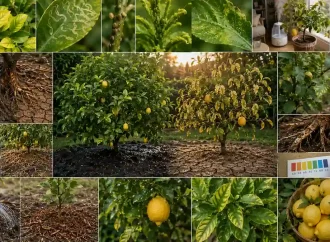
Written by: Jagdish ReddySources: This article is based on publicly available horticultural guidance from Horticulture UniversitiesLast Updated: May 2026 Quick answer: The most common causes of yellow, curling lemon tree leaves are overwatering, nitrogen deficiency, and iron deficiency. In winter, they’re usually a normal seasonal response that fixes itself. The right treatment depends entirely on which
READ MORE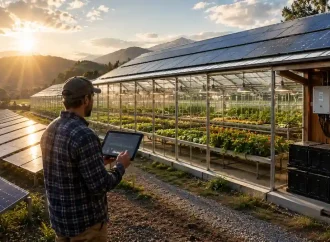
In an effort to create more sustainable farming practices, many professionals are adopting renewable energy generators on their properties. Solar power is one of the most common, but determining how many panels you need to support a greenhouse requires planning. Follow these steps to accurately estimate how much equipment you’ll need to light, heat and
READ MORE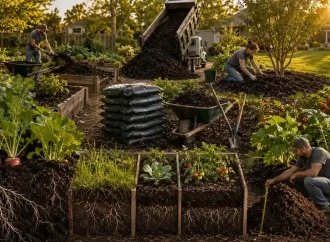
Buying compost sounds easy until you start calculating volume. Even a small garden bed can need far more material than most gardeners expect. Getting the amount right isn’t complicated — but you do need to match the depth to the job you’re doing. Quick answer: For most garden beds, apply 2–3 inches of compost per
READ MOREMaecenas mauris elementum, est morbi interdum cursus at elite imperdiet libero. Proin odios dapibus integer an nulla augue pharetra cursus.
33 Farlane Street
25-100 Keilor East,
Australia
Phone: 1-800-64-38
Fax: 1-800-64-39