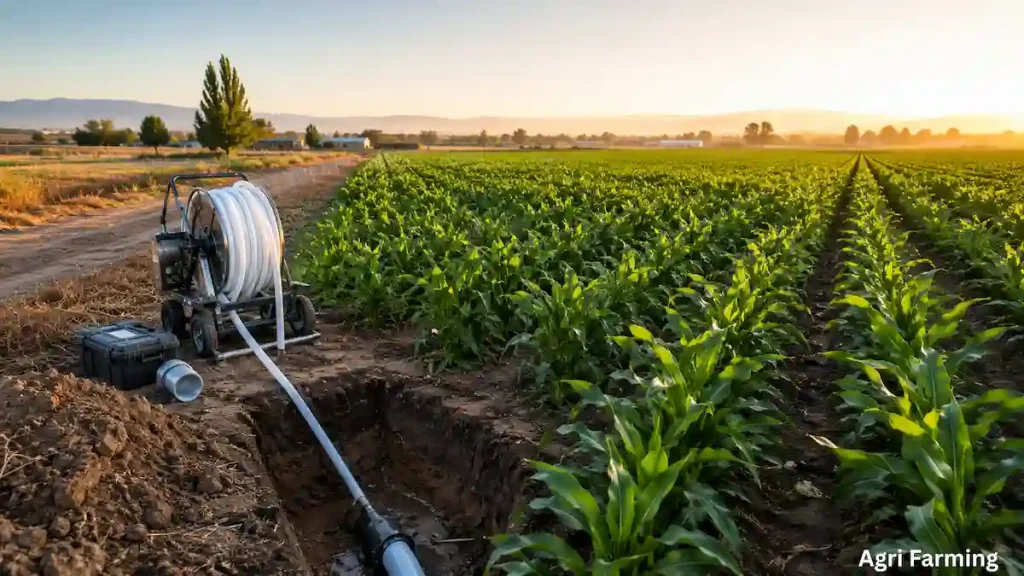
Underground irrigation and drainage systems are essential to modern farming because they support healthy soil conditions for crop growth. Over time, these buried pipes can develop leaks, corrosion, cracks, root intrusion and other structural issues that require repair. However, traditional excavation methods often damage crops, compact soil, disrupt irrigation schedules and increase labor costs, making
Underground irrigation and drainage systems are essential to modern farming because they support healthy soil conditions for crop growth. Over time, these buried pipes can develop leaks, corrosion, cracks, root intrusion and other structural issues that require repair. However, traditional excavation methods often damage crops, compact soil, disrupt irrigation schedules and increase labor costs, making repairs both expensive and disruptive for active farms. This is why trenchless pipe lining technology offers a more efficient alternative.
Let’s look at how to repair underground farm pipes without disrupting your crops.

The Hidden Costs of Failing Agricultural Pipes
There are approximately 35,000 producers using irrigation systems across the United States, and some of those have aging or failing irrigation infrastructure. This creates costs far beyond a simple repair, as leaking or deteriorating underground pipes can significantly increase operational costs while reducing overall farm productivity.
One of the largest hidden losses comes from wasted water. For example, traditional, unlined canals lose 15-30% of their water to seepage and evaporation alone. For farms relying on pumped irrigation systems, that lost water directly translates into higher energy consumption and increased pumping costs. Over time, these inefficiencies place considerable strain on the bottom line.
Learn more about efficient drip irrigation farming methods to reduce water waste on farms.
Additionally, pipe failures can also create uneven irrigation distribution across fields, with some crops receiving insufficient water and suffering stunted growth, reduced yields or lower product quality, while oversaturated areas can encourage root disease and soil degradation.

Lastly, aging pipelines often require repeated spot repairs. These recurring maintenance costs add up quickly, especially when excavation equipment, labor and crop disruption are involved.
Understanding Trenchless Pipe Lining Technology
Trenchless pipe lining is a rehabilitation method designed to repair underground pipes from the inside rather than replacing them through excavation. Instead of digging up the entire pipeline, technicians create a new pipe within the existing damaged one using specialized lining materials and resin.
The process restores the structural integrity of aging pipes while avoiding large-scale digging across fields and growing areas. In fact, a 2025 study found that trenchless rehabilitation reduced overall environmental impacts by 56% compared to traditional open-cut pipe replacement.

How the Trenchless Repair Process Works
The trenchless pipe lining process begins with a detailed inspection of the underground system. Technicians use specialized cameras to travel through the pipe and identify issues such as cracks, corrosion, leaks, blockages or root intrusion. This inspection helps determine whether the pipe can be rehabilitated using lining technology.
After the assessment, the pipe is thoroughly cleaned. High-pressure water jetting or mechanical cleaning equipment removes debris, sediment buildup, roots and corrosion from the interior surface, which allows the liner to bond securely to the existing pipe walls.
Once the pipe is prepared, a flexible liner saturated with epoxy resin is inserted into the damaged section using air or water pressure. It then expands to match the interior shape of the existing pipeline. After placement, the resin is cured using heat, hot water or ambient curing methods.
As the material hardens, it forms a seamless and highly durable new pipe within the old structure. This new interior lining seals cracks, restores flow efficiency and strengthens the overall system. A final inspection is conducted to confirm that the repair was successful and the pipeline is functioning correctly.
Benefits of Trenchless Repair Over Traditional Excavation
Trenchless technology offers several important advantages for agricultural operations.
Protecting Crops and Soil During Pipe Repairs
One of the most important advantages of trenchless pipe lining is its ability to protect crops and preserve field conditions during repairs. Since the process requires only small access points instead of long trenches, there is very little disturbance to the surrounding land.
Farmers can avoid tearing through rows of crops, damaging valuable root systems or compacting the soil. Research has shown that earth compaction can reduce yields by 50%, resulting in a substantial loss of potential farm revenue.

As such, by reducing disturbance, trenchless technology also helps maintain proper dirt structure and drainage conditions. Preserving its health is critical for maintaining consistent crop yields and preventing long-term agricultural issues.
Minimizing Farm Operational Downtime
Major excavation projects can take weeks to complete, particularly when large sections of pipe need to be replaced. During that time, fields may become inaccessible, irrigation schedules may be interrupted and farm traffic can be restricted.
Trenchless repairs mitigate this by often being completed in just a few days because they require only limited access points rather than continuous trenching. This shorter timeline allows farms to maintain daily operations during critical planting, irrigation or harvest periods.
Extending the Lifespan of Agricultural Infrastructure
Many underground farm pipes have been in service for decades and are reaching the ends of their original lifespans. Replacing entire systems through excavation can be extremely expensive, especially on large agricultural properties. Thankfully, trenchless pipe lining provides a cost-effective alternative by rehabilitating existing infrastructure instead of replacing it entirely.
Additionally, modern lining materials are engineered to provide long-term structural durability. The liner and epoxy used for pipe repairs are stronger and more durable than the original metal or plastic, and studies show that epoxy pipelining lasts 35 to 50 years. This extended lifespan helps farmers maximize infrastructure investments while reducing the need for repeated repairs and maintenance.
Reducing Water Loss and Associated Costs
One of the primary advantages of trenchless rehabilitation is the creation of a seamless, joint-free pipe system that eliminates many common leak points. It also improves system efficiency by reducing infiltration by 43% during the dry season and 49% during the wet season.
In agricultural applications, this can significantly improve water conservation and irrigation efficiency. For farms operating in drought-prone regions or areas with rising water costs, reducing water loss is imperative, considering demand for the 3% of freshwater on Earth will only increase as the population grows.
When Trenchless Pipe Repair Is the Right Choice
Trenchless lining is often ideal for pipes that remain structurally stable but suffer from cracks, corrosion, leaks or root intrusion. Farmers experiencing recurring irrigation problems, unexplained wet spots, reduced water pressure or poor drainage performance may benefit from a professional pipeline inspection. While severely collapsed pipes may still require replacement, many aging agricultural systems can be successfully rehabilitated using trenchless methods.
The Future of Farm Infrastructure Repair
The agriculture sector continues to adopt modern technologies and sustainable practices, and trenchless pipe repair is becoming an increasingly practical solution for maintaining underground infrastructure. It is a key way for farmers to reduce downtime, conserve resources and protect productive land while addressing the realities of aging irrigation and drainage systems.
As agricultural operations continue to face increasing pressure to maximize efficiency and sustainability, investing in modern infrastructure solutions is becoming essential. Farms that proactively rehabilitate their underground pipe systems are better positioned to protect long-term profitability, improve water management and maintain resilient operations for years to come.
















Leave a Comment
Your email address will not be published. Required fields are marked with *