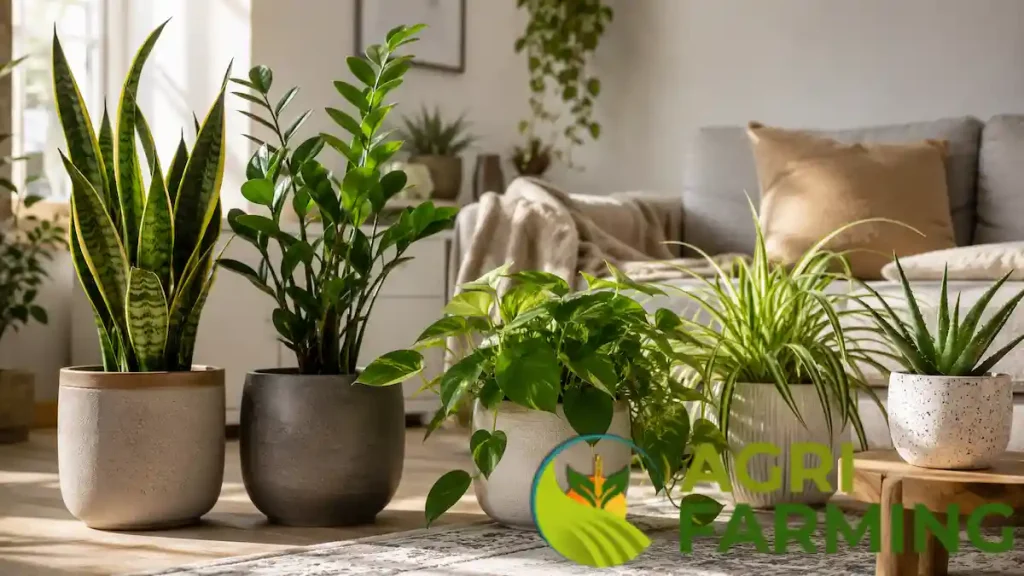
Written by Jagdish Reddy | Reviewed Against: UC ANR WUCOLS & ASPCA Toxic Plant Database | Updated May 2026 Most people do not kill houseplants because they are bad at gardening. They kill them because they picked the wrong plant from the start. Some plants need water every two days, precise humidity, and carefully timed
Written by Jagdish Reddy | Reviewed Against: UC ANR WUCOLS & ASPCA Toxic Plant Database | Updated May 2026
Most people do not kill houseplants because they are bad at gardening. They kill them because they picked the wrong plant from the start.
Some plants need water every two days, precise humidity, and carefully timed light. That is not what you want when you are busy, forgetful, or just getting started.
Easy plants for people who forget to water are genuinely different. They store moisture in their own tissue, slow down instead of dying when neglected, and do not collapse because you missed a week.
This guide covers which plants to pick, what actually kills them, which ones are safe for pets and kids, and how to set up your space so plants survive even when life gets hectic.
At a Glance: Which Plant Should You Get?
| Plant | Pet Safe? | Survives Low Light? | Longest Without Water |
| ZZ Plant | No | Yes | 4 to 8 weeks |
| Cast Iron Plant | Yes | Yes | 4 to 6 weeks |
| Snake Plant | No | Yes | 3 to 6 weeks |
| Jade Plant | No | No | 3 to 5 weeks |
| Aloe Vera | No | No | 3 to 4 weeks |
| Chinese Evergreen | No | Yes | 2 to 3 weeks |
| Pothos | No | Yes | 2 to 3 weeks |
| Spider Plant | Yes | Yes | 1 to 2 weeks |
| Rubber Plant | No | No | 1 to 2 weeks |
| Peace Lily | No | Yes | 7 to 10 days |
Top Picks: Best Plants for Forgetful Owners
- Snake Plant: survives weeks without water and handles almost any light
- ZZ Plant: stores water underground, nearly impossible to kill
- Pothos: droops when thirsty, grows in almost any condition
- Spider Plant: bounces back fast, great for first-timers
- Cast Iron Plant: thrives in dark corners, survives genuine neglect
- Aloe Vera: bright window, almost zero water, useful for burns
- Chinese Evergreen: handles dim rooms and dry air well
- Jade Plant: holds water in thick stems, lives for decades

Why Some Plants Survive With Very Little Water
How Drought-Tolerant Plants Store Moisture
Drought-tolerant plants evolved in regions where rain is unpredictable. Succulents pack water into their leaves. ZZ plants keep reserves in underground rhizomes. Aloe stores it in gel-filled tissue.
That internal storage is what lets them go days or weeks without attention from you.
Why Overwatering Kills More Plants Than Underwatering
Root rot is the number one cause of indoor plant death, not neglect. When roots sit in wet soil too long, they stop getting oxygen and begin to rot. The plant wilts even though the soil is wet, which makes most owners add even more water.
If your plant looks sick and the soil is wet, put down the watering can.
Common Watering Mistakes
- Watering on a fixed schedule instead of checking the soil
- Using pots with no drainage holes
- Watering the leaves instead of the base
- Using cold tap water on tropical plants
- Keeping the same schedule through winter
Best Plants That Survive on Neglect
These are some of the most genuinely hard-to-kill houseplants you can buy. Each one handles skipped waterings, imperfect light, and dry indoor air without falling apart.
Snake Plant (Dracaena trifasciata)
Native to West Africa, the snake plant stores water in its stiff leaves and slows down rather than dying when conditions are rough. Water every two to six weeks. It handles almost any light level and releases oxygen at night.
If you have ever killed one, you were overwatering it.
ZZ Plant (Zamioculcas zamiifolia)
ZZ plants store water in thick underground rhizomes, letting them survive weeks without watering. Native to eastern Africa, they handle dim rooms well and grow slowly with almost zero input.
Aside from direct sun, they tolerate most indoor conditions well.
Pothos (Epipremnum aureum)
Pothos grows in dim light, bright indirect light, or a jar of water. The leaves droop slightly when it needs water, a clear signal that makes it nearly impossible to kill without warning.
Let the top inch or two of soil dry before watering. It recovers fast from dry spells.
Aloe Vera (Aloe barbadensis miller)
A succulent from the Arabian Peninsula, aloe stores water in gel-filled leaves. It needs a bright window and very little else. Water every two to three weeks in summer, once a month in winter. Use sandy, fast-draining soil.
Spider Plant (Chlorophytum comosum)
Native to southern Africa, spider plants handle variable light and irregular watering without trouble. They produce hanging offshoots you can propagate for free and recover quickly after a week or two without water.
Jade Plant (Crassula ovata)
Jade plants hold water in thick, oval leaves and woody stems. Given a bright spot, they can live for decades. Water only when the soil is fully dry throughout, roughly every two to three weeks indoors.
Peace Lily (Spathiphyllum)
One of the few plants that flowers in low light. The leaves droop clearly when thirsty and bounce back within hours of watering. Keep out of direct sun, which scorches the leaf edges quickly.
Cast Iron Plant (Aspidistra elatior)
This plant earned its name. It handles dark corners, temperature swings, and extended drought that would finish off most others. It grows slowly, stays tidy, and asks for very little.
Chinese Evergreen (Aglaonema)
Comes in dozens of color varieties. Deep green types handle very dim rooms. Pink and red varieties prefer brighter indirect light. Water when the top inch of soil is dry. Keep away from cold drafts.
Rubber Plant (Ficus elastica)
Thick, waxy leaves hold moisture longer than most foliage plants. Rubber plants prefer bright indirect light and handle one to two weeks between waterings with no issue. Wipe leaves occasionally to remove dust.
How Long Can Each Plant Survive Without Water?
| Plant | Approx. Survival | Why It Holds On |
| ZZ Plant | 4 to 8 weeks | Rhizome water storage |
| Cast Iron Plant | 4 to 6 weeks | Very slow metabolism |
| Snake Plant | 3 to 6 weeks | Water in leaf tissue |
| Jade Plant | 3 to 5 weeks | Thick stem and leaf reserves |
| Aloe Vera | 3 to 4 weeks | Gel-filled leaves |
| Chinese Evergreen | 2 to 3 weeks | Tolerant root system |
| Pothos | 2 to 3 weeks | Signals early, recovers fast |
| Spider Plant | 1 to 2 weeks | Bounces back quickly |
| Rubber Plant | 1 to 2 weeks | Waxy leaves slow moisture loss |
| Peace Lily | 7 to 10 days | Clear droop before damage |
Plants That Are Impossible to Kill vs Plants That Will Test You
If you keep choosing plants that die, here is where the money should and should not go.
Buy these: Snake Plant, ZZ Plant, Pothos, Spider Plant, Cast Iron Plant, Aloe Vera.
Avoid these until you have experience: Maidenhair Fern, Fiddle Leaf Fig, soil-grown Orchids, Croton, Caladium.

Best Plants for Your Specific Situation
College Students and Small Apartments
ZZ plant and snake plant survive study-week neglect, compact spaces, and waterings spaced weeks apart. They stay small enough for a desk or shelf.
Frequent Travelers
ZZ plants, cast iron plants, and jade plants are the safest choices for people gone one to two weeks at a time. Water thoroughly before leaving, pull plants back from direct sun, and cluster them together.
Airbnb Hosts and Rental Properties
Cast iron plants and Chinese evergreens are ideal: they stay tidy, grow slowly, and do not need guaranteed care. Skip flowering plants in rentals.
Homes With Central Air Conditioning
AC strips moisture from indoor air fast. A shallow tray of water and pebbles placed near plants adds back a bit of humidity where they need it most. Pothos, spider plants, and Chinese evergreen handle dry recycled air better than most.
Offices and Workspaces
Snake plants, ZZ plants, and pothos handle artificial lighting and missed weekend watering easily. Avoid anything needing bright indirect sun in a windowless office.
Beginners Who Overwater
Start with aloe vera or jade. Both need soil to dry out completely before the next watering, which builds good habits fast. A cheap soil moisture meter removes all the guesswork.

How Often Should You Water Low-Maintenance Plants?
There is no universal schedule. Check the soil before you water. Not the calendar.
Push a finger an inch or two into the soil. Cool and damp means wait. Dry and crumbly means water. Lift the pot: a dry pot feels noticeably lighter. After a few weeks you read it without thinking.
Signs Your Plant Needs Water
- Soil dry 1 to 2 inches below the surface
- Leaves dull, wrinkled, or slightly wilted
- Pot feels much lighter than usual
- Leaves curling inward
- Soil pulling away from the pot edges
Signs of Overwatering
- Yellow leaves, especially lower ones
- Soft or dark stem near the soil
- Soil still wet more than a week after watering
- Fungus gnats near the soil surface
- Leaves dropping while soil is still wet
After a proper watering, most plants recover within 24 to 48 hours. Pothos and peace lily bounce back visibly within a few hours. If nothing improves in a few days, check the roots for rot before watering again.
Seasonal Watering Guide
| Season | Plant Status | What to Do |
| Spring | Growth picking up | Increase gradually |
| Summer | Peak growth | Check soil more often |
| Fall | Slowing down | Start pulling back |
| Winter | Near dormant | Water much less |
Indoor Plants by Room and Light Level
Bedrooms
Snake plants release oxygen at night and handle any bedroom light level. ZZ plants and Chinese evergreen work just as quietly in the same spot.
Rooms With Almost No Natural Light
ZZ plant, cast iron plant, snake plant, and Chinese evergreen are your real options. All four slow growth in dim conditions, which means they pull less water from the soil and need watering even less often.
Bathrooms
Bathrooms with even a small window get passive humidity from showers. Spider plants, peace lilies, and pothos use that moisture well, and the humidity means less watering. Skip succulents: they prefer dry air.
Offices
ZZ plants and snake plants are the most reliable for offices. Pothos is also excellent: it grows visibly even in poor conditions and forgives every watering mistake beginners make.
Outdoor Plants That Need Minimal Water
Hot Patios and Containers
Portulaca, lantana, and ornamental grasses handle full sun and dried-out soil between waterings. Portulaca in particular looks better the hotter and drier things get.
For containers, use succulents, agave, sedum, or geraniums with gritty or sandy potting mix. Never let any container sit in standing water.
Easy Balcony Plants
Lavender, rosemary, and ornamental grasses handle wind, reflected heat, and shallow soil depth without trouble. Most only need water every few days at peak summer.

Which Low-Water Plants Work Best in Your Climate?
| Climate | Best Choices | Key Notes |
| Hot and Dry (AZ, TX) | Agave, cactus, bougainvillea | Sandy soil, full sun |
| Hot and Humid (FL, SE Asia) | Peace lily, pothos, evergreen | Shade preferred |
| Cold Winters (US, Europe) | Sedum, ornamental grass | Hardy varieties only |
| Mediterranean (CA, Spain) | Lavender, rosemary, sage | Drought-tolerant once rooted |
| Dry Indoor (AC apartments) | ZZ, snake plant, cast iron | AC-tolerant picks |
How to Keep Plants Alive While You Travel
Short Trips: 3 to 5 Days
Water thoroughly the morning you leave, move plants back from direct sun, and cluster them together. That is usually all they need.
Longer Trips: 1 to 4 Weeks
Push a water-filled bottle neck-down into the soil for slow drip release. A cotton wick system with one end in a water container and the other in the pot lasts one to two weeks. Self-watering planters with a reservoir handle up to four weeks.

Self-Watering Options
| Method | Duration | Best For |
| Drip bottle | 3 to 5 days | Short trips |
| Cotton wick | 1 to 2 weeks | Medium trips |
| Watering spikes | 1 to 2 weeks | Any pot with drainage |
| Self-watering planter | 2 to 4 weeks | Long absences |
| Capillary mat | 1 to 3 weeks | Multiple pots at once |
Best Soil and Pot Setup for Low-Water Plants
Soil Choice
Succulents and cacti need fast-draining soil. Mix regular potting soil with perlite or coarse sand at 1:1, or use premixed succulent soil straight from the bag.
Tropical plants like pothos, Chinese evergreen, and peace lily need soil that drains but holds some moisture. Add peat moss or coco coir to standard potting mix. Avoid heavy garden soil in any container.
Pot Choice and Drainage
| Pot Type | Best For | Watch Out For |
| Terracotta | Succulents, cacti | Dries out faster |
| Plastic | Tropical plants | Can stay too wet |
| Glazed ceramic | Decorative display | No breathability |
Every pot needs at least one drainage hole. Without it, water pools at the bottom until roots rot. Use a decorative cover pot if needed, with a nursery pot with drainage sitting inside.
Repot when roots circle the bottom, emerge from drainage holes, or soil dries within a day of watering. Go up just one pot size. Too much extra soil holds moisture and raises rot risk.
Pet-Safe and Kid-Safe Low-Maintenance Plants
Non-Toxic Options
| Plant | Safe For | Notes |
| Spider Plant | Cats, dogs | Mild effect on cats but non-toxic |
| Boston Fern | Cats, dogs | Safe, likes bathroom humidity |
| Areca Palm | Cats, dogs | Non-toxic, handles indirect light |
| Bamboo Palm | Cats, dogs | Good for dim rooms |
| African Violet | Cats, dogs | Non-toxic, very easy to grow |
Toxic Plants to Know About
| Plant | Severity | Symptom if Eaten |
| Pothos | Moderate | Mouth irritation, vomiting |
| Snake Plant | Mild to moderate | Nausea, diarrhea |
| ZZ Plant | Mild | Skin irritation, vomiting |
| Aloe Vera | Mild to moderate | Vomiting, lethargy |
| Peace Lily | Moderate | Mouth burning, drooling |
Check the ASPCA toxic plant database before buying any plant if you have pets or small children. Keep aloe vera, pothos, and snake plants away from toddlers who explore with their mouths.

Common Myths About Low-Water Plants
Succulents Never Need Water
They need water regularly, just less often. In spring and summer, most succulents want water every one to two weeks. Skipping water entirely leads to shriveling. Let soil dry completely between waterings, but do not ignore them.
Cacti Can Go Anywhere
Cacti need bright light indoors. In a dark room they slowly stretch toward light, weaken, and eventually collapse. Without a sunny window, a cactus is not a good indoor choice.
Low-Water Plants Do Not Need Sunlight
Every plant needs some light. Low-light tolerant means it copes in dim conditions, not that it prefers them. Even shade-adapted plants do better near a window than away from one.
Simple Tricks That Keep Plants Alive Longer Between Waterings
- Mulch outdoor plants with 2 to 3 inches to slow evaporation in summer
- Cluster indoor plants together to share humidity
- Move plants away from harsh afternoon sun to cut water loss
- Match soil to plant type from day one: gritty for succulents, aerated for tropicals
- Use room-temperature water rather than cold tap water
Mistakes That Make Easy Plants Hard to Grow
Even beginner-proof plants fail when set up wrong from the start. These are the most common errors.
- Decorative pots without drainage holes: water pools at the bottom until roots rot
- Oversized pots: too much soil holds moisture too long and suffocates roots
- Dark corners for sun-needing plants: even hard-to-kill plants decline without light
- Watering too often right after repotting: roots need time to settle before another drink
- Heavy clay garden soil in pots: it compacts, holds water too long, and blocks air to roots
Why Beginners Accidentally Kill Plants That Are Supposed to Be Easy
High-Maintenance Plants Beginners Should Swap Out
| Avoid This | Main Problem | Grow This Instead |
| Maidenhair Fern | Needs near-daily moisture | Spider plant |
| Fiddle Leaf Fig | Hates being moved | Rubber plant |
| Orchid (soil) | Precise watering, special soil | Peace lily |
| Croton | Drops leaves when stressed | Chinese evergreen |
| Caladium | Needs heat, humidity, bright sun | Pothos |
Monthly Plant Care Checklist for Busy People
Weekly Quick Checks
- Press a finger 1 to 2 inches into soil before watering
- Look for yellowing, spotting, or dropping leaves
- Check under leaves and along stems for pests
- Rotate each pot a quarter turn for even light
Simple Seasonal Routine
- Spring: Start light monthly fertilizing, repot if root-bound, water more as growth picks up
- Summer: Check for pests weekly, water more often, avoid harsh afternoon sun exposure
- Fall: Stop fertilizing, reduce watering as growth slows
- Winter: Water sparingly, keep plants away from cold drafts and heating vents
Snake Plant vs ZZ Plant: Which One Is Right for You?
| Feature | Snake Plant | ZZ Plant |
| Light tolerance | Low to bright indirect | Low to medium |
| Water frequency | Every 2 to 6 weeks | Every 2 to 4 weeks |
| Growth rate | Moderate | Slow |
| Pet safe? | No | No |
| Best placement | Bedrooms, hallways | Offices, dim rooms |
| Max height indoors | Around 4 feet | Around 3 feet |

Step-by-step guide to growing aloe vera at home: How to Grow Aloe Vera at Home
How to set up a low-effort terrace garden: Terrace Garden Setup Guide
How to choose the right potting soil for containers: Best Potting Soil Mix for Containers
Easy herbs for beginners that need minimal care: Easy Herbs for Beginners
Cactus and succulent growing basics: How to Grow Cactus and Succulents
Reference Sources
Plant water use guidance, University of California ANR: UC ANR WUCOLS Plant Water Use Database
Toxic and non-toxic plant reference for pets, ASPCA: ASPCA Toxic and Non-Toxic Plants Database
Frequently Asked Questions
What plant survives the longest without water?
The ZZ plant holds on for four to eight weeks because it stores moisture in underground rhizomes. Cast iron plants and snake plants are close behind. For outdoor plants, established agave and certain cacti can go months without supplemental water.
Which indoor plants need the least maintenance?
Snake plants, ZZ plants, and cast iron plants need the least overall maintenance. Water them once or twice a month and they stay healthy for years with no fertilizing or repotting more than every two to three years.
Are succulents good for beginners?
Only in a bright spot. A succulent near a sunny window with fast-draining soil is nearly effortless. Put one in a dark corner and it slowly weakens regardless of how carefully you water it.
Can low-water plants survive in air-conditioned homes?
Yes. Snake plants, ZZ plants, pothos, and Chinese evergreens handle dry AC air very well. A pebble tray with water placed near your plants adds back a bit of humidity without any other changes needed.
Why do I keep killing houseplants even when I water them?
Watering is usually not the real problem. Check whether the pot has drainage holes, whether the soil is dense garden mix rather than potting mix, and whether you are watering on a schedule rather than checking the soil first. Most indoor plant deaths come from root rot caused by overwatering or poor drainage, not underwatering.
Disclaimer: Gardening information on Agri Farming is for educational purposes only. Results vary by climate, soil, weather, and growing conditions. For region-specific advice, consult your local Cooperative Extension Service before making major gardening or soil changes.
















Leave a Comment
Your email address will not be published. Required fields are marked with *