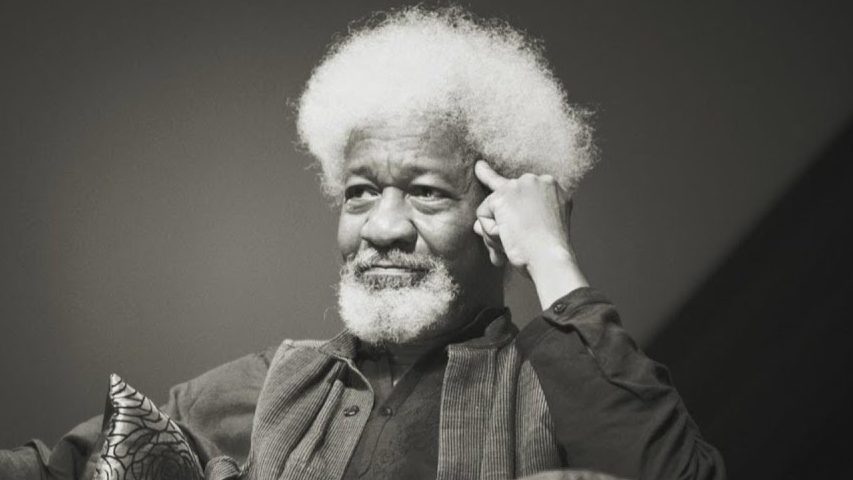
Soldiers once threw Wole Soyinka into solitary confinement for trying to stop a civil war. Years later, the same man would become the first African to win the Nobel Prize in Literature. That alone tells you the kind of person he was. Wole Soyinka never liked silence in the face of injustice. Whether under colonial
Soldiers once threw Wole Soyinka into solitary confinement for trying to stop a civil war. Years later, the same man would become the first African to win the Nobel Prize in Literature.
That alone tells you the kind of person he was.
Wole Soyinka never liked silence in the face of injustice. Whether under colonial rule, military dictatorship, or corrupt civilian governments, he spoke loudly, wrote boldly, and challenged authority without fear. Sometimes with essays. Sometimes with theatre. Sometimes with direct confrontation that placed his own life at risk.
To many Nigerians, Soyinka is more than a writer. He is a symbol of intellectual resistance — the kind of public figure who refuses to bow, even when powerful people want him quiet.
Who Was Wole Soyinka?
Wole Soyinka is a Nigerian playwright, poet, essayist, novelist, activist, and public intellectual born in 1934 in Abeokuta, Ogun State. His full name is Akinwande Oluwole Babatunde Soyinka.
He is widely regarded as one of Africa’s greatest literary figures and became the first African to win the Nobel Prize in Literature in 1986. Through plays, essays, memoirs, poems, and political activism, Soyinka built an international reputation as both a brilliant writer and a fearless critic of oppression.
Unlike many intellectuals who stayed distant from political struggles, Soyinka repeatedly inserted himself directly into Nigeria’s most dangerous moments. He challenged colonial authority, criticised military dictatorships, and spoke openly against corruption and ethnic violence.
His life overlaps with major chapters in Nigerian history — colonial Nigeria, independence, the Nigerian Civil War, military rule, and the democratic struggles that followed.
Early Life and Background
Wole Soyinka was born on July 13, 1934, in Abeokuta, a historic Yoruba town known for education, activism, and political consciousness. Abeokuta was not just any ordinary town. It was a place where colonial resistance and intellectual life often collided.
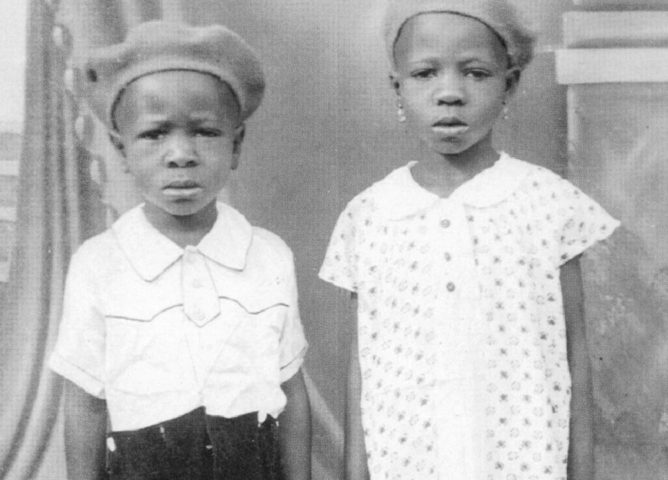
His father, Samuel Ayodele Soyinka, was a school headmaster, while his mother, Grace Eniola Soyinka, was a trader and activist. His mother later became associated with the famous Abeokuta Women’s Revolt led by Funmilayo Ransome-Kuti against unfair colonial taxation policies.
So from childhood, Soyinka grew up around education, political awareness, and resistance.
Not many people know this, but Soyinka’s childhood memoir Aké: The Years of Childhood beautifully captures life in colonial Yoruba society — the smells, sounds, discipline, church life, traditional beliefs, and political tension of the era.
Young Wole was exceptionally intelligent and deeply curious. He attended Government College, Ibadan, one of the elite schools in colonial Nigeria, before studying English literature at University College, Ibadan.
Later, he travelled to England and attended the University of Leeds, where he further developed his literary and theatrical skills.
But Soyinka was never content with simply becoming an academic sitting quietly in classrooms. He wanted literature to confront society directly.
Wole Soyinka’s Rise in Literature and Theatre
In the late 1950s and early 1960s, Soyinka began establishing himself as a major force in African theatre.
At a time when many African writers focused mainly on novels and poetry, Soyinka became deeply committed to drama and stage performance. He believed theatre could challenge power, expose hypocrisy, and provoke social reflection in ways ordinary speeches could not.
His early plays, including The Swamp Dwellers, The Lion and the Jewel, and A Dance of the Forests, attracted widespread attention.
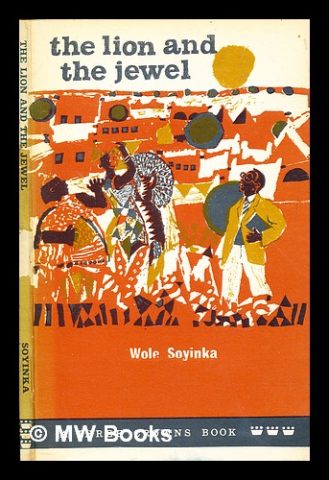
One thing that made Soyinka different was how he blended Yoruba mythology, African spirituality, satire, and political commentary into modern literature. His writing could be funny, poetic, disturbing, philosophical, and deeply political all at once.
Sometimes readers even complained that his language was too dense or intellectually demanding. But Soyinka never simplified his ideas merely to make them comfortable.
Independence and Political Tension
Nigeria gained independence in 1960 with enormous hope and celebration. But Soyinka quickly became disappointed with how political elites handled power.
He criticised corruption, tribalism, electoral violence, and abuse of authority very early.
One famous incident happened in 1965 during the Western Region political crisis. Angry over alleged election rigging, Soyinka reportedly seized a radio station in Ibadan and replaced a regional premier’s broadcast with his own message condemning the political manipulation.
Imagine the boldness.
This was not anonymous criticism hidden inside newspaper columns. Soyinka openly challenged powerful politicians directly.
The political violence in Western Nigeria during this period later exploded into wider national instability.
Wole Soyinka and the Nigerian Civil War
When the Nigerian Civil War began in 1967, Soyinka attempted to promote dialogue between both sides. He secretly met with officials connected to Biafra, hoping peaceful negotiations could prevent massive bloodshed.
The Nigerian federal government viewed his actions suspiciously.
Soon, Soyinka was arrested and accused of conspiring with Biafran forces. He was detained without trial and spent about two years in prison, much of it in solitary confinement.
Those prison years were brutal.
He was isolated, psychologically tortured, and denied basic freedoms. At times, he reportedly wrote secretly on tissue paper and cigarette packs just to preserve his sanity.
Imagine being locked alone for months simply because you believed Nigerians should stop killing each other.
The experience deeply affected him and later inspired works like The Man Died, his prison memoir.
International Recognition and Nobel Prize
By the 1970s and 1980s, Soyinka had become one of the world’s most respected African intellectuals.
His works were being studied globally. Universities invited him regularly. His political essays gained international attention.
Then came 1986.
Wole Soyinka became the first African to win the Nobel Prize in Literature.
The achievement was historic not just for Nigeria, but for the entire African continent. Suddenly, a Nigerian playwright who once battled censorship and imprisonment was standing among the world’s literary giants.
Across Nigeria, many people celebrated with pride. It felt like African literature itself had finally received global recognition.
Soyinka’s Activism Against Military Rule
Winning the Nobel Prize did not soften Soyinka politically.
If anything, it made him even louder.
During the brutal military regimes of Generals Ibrahim Babangida and Sani Abacha, Soyinka remained one of the fiercest critics of dictatorship in Nigeria.
When the June 12, 1993 presidential election, won by Moshood Abiola, was annulled, Soyinka strongly condemned the military government.
Under General Sani Abacha’s regime, Soyinka faced danger and eventually fled Nigeria into exile to avoid arrest and possible assassination.
Those were dark years in Nigerian history. Journalists disappeared. Activists were jailed. Fear spread everywhere.
Yet Soyinka kept speaking.
Legacy and Impact of Wole Soyinka
Very few Nigerians have influenced literature, theatre, activism, and political thought the way Wole Soyinka has.
As a writer, he helped place African literature on the global stage. As an activist, he repeatedly challenged oppressive governments. As a public intellectual, he encouraged generations of Nigerians to think critically about power and society.
His books, plays, essays, and memoirs continue to shape conversations worldwide.
Universities across the globe teach his works. The Wole Soyinka Centre for Investigative Journalism was established in his honour. Younger African writers still draw inspiration from his courage and literary ambition.
And perhaps one of the most remarkable things about Soyinka is that he never allowed fame to silence him.
Even in old age, he continues commenting on Nigerian politics, governance, corruption, violence, and democracy. Whether people agree with him or not, they listen.
Because in Nigeria, Wole Soyinka is not merely a writer.
He is an institution.
Yhanks for reading, OldNaija.com.
References:
- Gibbs, James. Wole Soyinka. London, Macmillan Education, 1986.
- Omipidan, T. (2021, May 25). Operation Wetie and the 1962 Action Group Crises: How power tussle between Awolowo and Akintola plunged We . . . OldNaija. https://oldnaija.com/2018/01/28/operation-wetie-and-the-1962-action-group-crises-how-power-tussle-between-awolowo-and-akintola-plunged-western-region-into-crises/
- Jeyifo, Biodun. Wole Soyinka: Politics, Poetics and Postcolonialism. Cambridge University Press, 2004.
- Soyinka, Wole. Aké: The Years of Childhood. New York, Random House, 1981.
- Soyinka, Wole. The Man Died: Prison Notes. London, Rex Collings, 1972.
- The Wole Soyinka FoundationThe Wole Soyinka Foundation. (n.d.). The Wole Soyinka Foundation.












Leave a Comment
Your email address will not be published. Required fields are marked with *