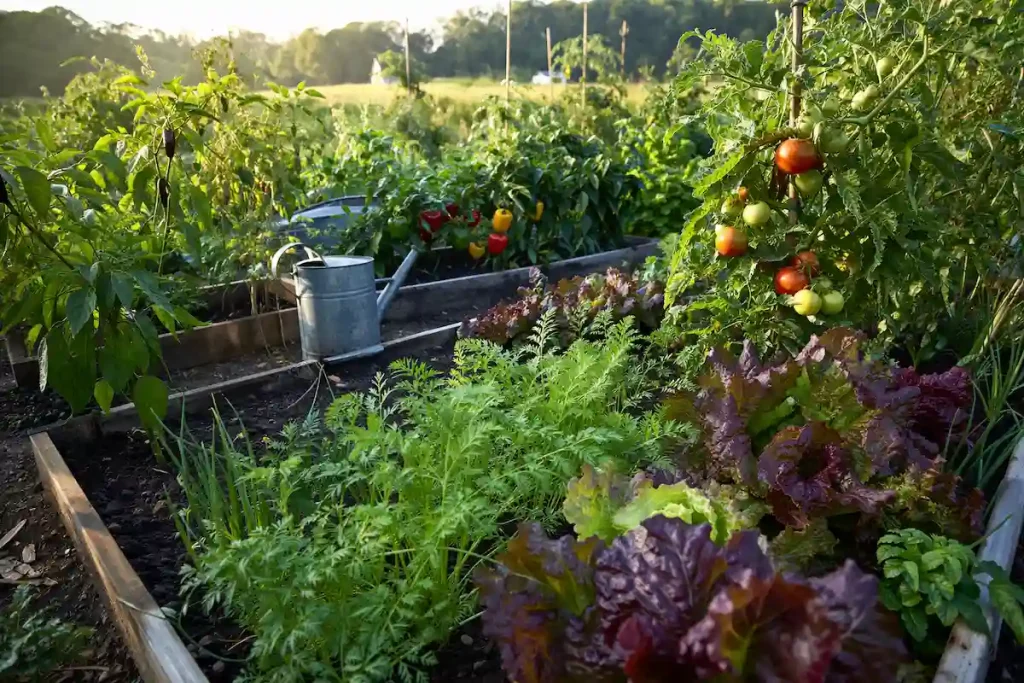
Topic: When to Plant Vegetables: Month-by-Month Planting CalendarWritten by: Garden Research Team (Crop Planning Specialists)Reviewed by: Agriculture Editorial BoardSources: University extension guides, FAO, USDA dataLast Updated: April 2026 A well-planned vegetable garden showing crops planted at the right time for maximum yield. Quick Answer: The best time to plant vegetables depends on your climate zone, local
Topic: When to Plant Vegetables: Month-by-Month Planting Calendar
Written by: Garden Research Team (Crop Planning Specialists)
Reviewed by: Agriculture Editorial Board
Sources: University extension guides, FAO, USDA data
Last Updated: April 2026

Quick Answer: The best time to plant vegetables depends on your climate zone, local frost dates, and each crop’s temperature requirements. Cool-season crops go in 4–6 weeks before the last frost. Warm-season crops need soil above 15°C (60°F). Knowing your planting window by month gives you better harvests and fewer crop failures.
🌍 Find Your Region — Get Accurate Planting Months

Most planting guides fail because they ignore your climate. Use this to navigate straight to what works for you:
🌴 Tropical Regions
India, Southeast Asia, Central America, West Africa
🌿 Temperate Regions
US, UK, Canada, Northern Europe
☀️ Subtropical Regions
Mediterranean, Southern US, Japan, South Africa
🏜️ Arid / Desert Regions
Middle East, Northern Africa, Interior Australia
Best Time to Plant Vegetables — Quick Global Guide
Most gardeners make this mistake: they follow a planting calendar built for a different climate. Here’s the simple version first — regional deep-dives follow below.
| Climate | Best Planting Time | Key Consideration | Year-Round? |
|---|---|---|---|
| 🌴 Tropical | Year-round (dry season best) | Manage wet-season drainage | ✅ Yes |
| 🌿 Temperate | Spring to early summer | Frost dates define your window | ❌ Seasonal |
| ☀️ Subtropical | Spring + Autumn | Two productive windows per year | ⚠️ Two seasons |
| 🏜️ Arid / Desert | Winter / Early spring | Avoid peak summer heat | ❌ Seasonal |
| 🌍 Mediterranean | January–March + September | Mild winters allow outdoor growing | ⚠️ Extended season |
Beginner Shortcut (If You’re Confused)
If you don’t want to overthink it, follow this:
• Tropical → plant year-round, avoid heavy rain periods
• Temperate → plant after last frost
• Subtropical → plant in spring and autumn
• Arid → plant in winter or early spring
This simple rule works surprisingly well for most beginners.
🌱 What Vegetables to Plant This Month (April — Global Overview)

This one factor changes everything: knowing what’s right to plant right now, not in general. Here’s a snapshot for April across all major climate zones.
| Your Climate | Plant Outdoors Now | Start Indoors Now |
|---|---|---|
| 🌴 Tropical (e.g. India, SE Asia) | Gourds, okra, beans, bitter melon | Chilli, brinjal (eggplant) |
| 🌿 Temperate (UK, N. US, Canada) | Lettuce, beetroot, peas, chard, spring onions | Tomatoes, peppers, courgettes |
| ☀️ Subtropical / Mediterranean | Tomatoes, aubergine, peppers, melons | — |
| 🏜️ Arid / Desert | Root veg, brassicas (last chance before heat) | Heat-tolerant summer varieties |
| 🌏 Southern Hemisphere Temperate | Garlic, winter brassicas, leafy greens | — |
Knowing when to plant vegetables is the single most important factor in getting a good harvest. Plant too early and a late frost kills seedlings. Plant too late and crops bolt, fail to set fruit, or get caught by autumn cold. Getting the timing right isn’t complicated — it just takes understanding how your local climate aligns with each crop’s needs.
This vegetable planting guide covers month-by-month timing across tropical, temperate, subtropical, and arid growing regions. Whether you’re working a small home garden or a larger plot, knowing your vegetable planting schedule in advance saves seed, time, and effort.
If you’re planning your growing space, a proper layout makes a big difference — you can use our simple vegetable garden layout.
What You’ll Learn in This Guide:
- Which vegetables to plant each month across all major climate zones
- How frost dates determine your entire planting calendar
- Cool-season versus warm-season crop timing
- Soil temperature requirements for germination
- When to start indoors versus direct sow outdoors
- How tropical and arid climates differ from temperate planting windows
- Common timing mistakes that reduce yields
Understanding Your Planting Window

Most gardeners make this mistake: they follow the calendar instead of the soil. Before using any monthly guide, you need two numbers: your last spring frost date and your first autumn frost date. Everything else is calculated from these.
USDA hardiness zones help identify general temperature ranges, but frost dates give you the precise timing. You can check your local frost dates using official tools like the USDA Plant Hardiness Zone Map. but frost dates give you the precise timing. Extension services in the US, UK, and Australia publish free frost date tools by postcode or zip code.
This one factor changes everything: soil temperature. Ignore it, and even perfect timing won’t save your crops. Seeds germinate based on soil warmth, not calendar dates. A basic soil thermometer (under $10 / £8) removes the guesswork entirely.
Soil condition matters just as much as temperature — if your soil is depleted, planting at the right time won’t help much. Here’s our guide to improve your old soil.
Month-by-Month Vegetable Planting Calendar
January
Temperate zones (UK, northern US, Canada, northern Europe): January is mostly indoor seed-starting territory. Onions, leeks, and early celery can be started under grow lights 10–12 weeks before the last frost. Soil outdoors is typically too cold and wet for direct sowing.
In tropical regions like India, Southeast Asia, and Central America: January sits in the dry season. Excellent timing for beans, cucumbers, okra, and leafy greens. Soil temperatures are ideal and pest pressure is lower than in the wet season.
Mediterranean climates (California, southern Europe, South Africa, southern Australia): Broad beans, peas, lettuce, spinach, and root vegetables all go in well during January. Mild winters allow outdoor growing with minimal protection.
February
Temperate zones: Experienced gardeners get ahead of the season in February. Start peppers and tomatoes indoors — they need 8–10 weeks before transplanting. Chilli peppers, aubergine, and early brassicas can also be started.
Tropical zones: Continue planting warm-season crops. Watermelon, pumpkin, and sweet corn establish well in February heat. Ensure consistent irrigation where dry-season rainfall is limited.
Arid and semi-arid zones (Middle East, southern US, sub-Saharan Africa): Root crops, brassicas, and leafy greens do well in cooler February temperatures before summer heat arrives. Direct sow carrots, beetroot, and radishes now.
March
Temperate zones: March is when the real outdoor season begins. Peas, broad beans, onion sets, early carrots, and spinach can be direct sown once soil reaches 7°C (45°F). Brassica transplants — cabbage, broccoli, Brussels sprouts — go out under fleece protection in colder northern areas.
Continental climates (central US, central Europe, central Asia): March remains unpredictable. Keep tomatoes and peppers indoors. Start brassicas and lettuce indoors for transplant in April or May.
Southern hemisphere temperate zones (southern Australia, New Zealand, South Africa, Argentina): March is early autumn. Wind down summer crops, sow winter brassicas, leafy greens, and root crops before soil cools.
April
Temperate zones: April is peak transplant and direct-sow month for most temperate gardeners. Lettuce, radishes, beetroot, chard, spring onions, and herbs all go outdoors. Tomatoes and peppers stay indoors until frost risk passes.
Greenhouse growers: In cooler climates, tomatoes, cucumbers, and peppers can be transplanted into unheated greenhouses in April — extending the growing season by 4–6 weeks compared to outdoor planting.
Tropical wet season zones: April marks the beginning of the rainy season in many tropical regions. Adjust irrigation plans and consider raised-bed growing to prevent waterlogging. Beans, corn, and gourds establish quickly with the additional moisture.
May
Temperate zones (USDA zones 5–8): After the last frost — typically mid to late May in zones 5–6 — warm-season crops go out. Tomatoes, peppers, courgettes, cucumbers, squash, and French beans all transplant outdoors now. If you rush this step, plants don’t die — they just sit there and do nothing for weeks.
Tropical zones: Focus on crops that tolerate high rainfall and humidity. Taro, yams, cassava, and water-tolerant leafy greens perform well through wet-season months.
In cooler regions like the UK or northern US, May is your first reliable outdoor window for warm-season crops — don’t rush it by even one week if frost risk remains.
June
Temperate zones:
• Focus on succession sowing, not one-time planting
• Sow lettuce, radishes, and beans every 2–3 weeks
• Second planting of sweetcorn works well in warmer areas
Warmer regions (USDA 7–9):
• Heat speeds growth, but water becomes critical
• Drip irrigation reduces water loss significantly
Arid zones:
• Planting slows or pauses due to extreme heat
• Shift to heat-tolerant crops or wait for cooler conditions
To avoid overwatering or underwatering, you can estimate exact needs using our plant watering calculator tool
July
Temperate zones: July is underused for planting. Many gardeners stop sowing — but mid-summer is the right moment for brassica transplants. Purple sprouting broccoli, kale, and winter cabbage all go in now for autumn and winter harvests. Root crops like turnips and swede also direct sow well.
Tropical zones: Peak wet season for many regions. Focus on established crops, pest monitoring, and drainage management. Fungal diseases increase in high-humidity conditions — IPM monitoring weekly is recommended.
Southern hemisphere temperate zones: July is midwinter. Garlic planting starts in many southern hemisphere temperate regions from July onward.
August
Temperate zones: August is a critical month that many beginner gardeners miss — mostly because they think the season is already over. Fast-maturing salads, spinach, pak choi, and radishes can still produce full crops before first frost. Spring onions started now harvest in 8 weeks. Last call for French bean direct sowing in warmer temperate areas.
In warm subtropical climates like the southern US, parts of India, and Japan, August marks the transition from wet-season crops to cooler-season planting. Begin sowing brassicas, tomatoes, and peppers for the autumn growing window.
Tropical highland zones: Cooler highland areas (parts of Kenya, Ethiopia, South America) experience more temperate-style seasons. August is a reliable planting month for a wide range of vegetables.
September
Temperate zones: Temperate zones:
Last reliable month for outdoor sowing.
Quick tip:
If it won’t mature in 60 days, it’s already too late to plant.
Garlic, winter salads, and spinach establish best now.
Mediterranean and subtropical zones: September cools temperatures to ideal planting conditions. This is prime time for tomatoes, beans, cucumbers, and squash in these climates — equivalent to a spring planting window.
Arid zones (Middle East, northern Africa, parts of India): Post-summer planting begins. Root vegetables, brassicas, and leafy greens all establish well in September’s more moderate temperatures.
October
Temperate zones: Outdoor sowing largely finishes except for garlic and overwintering onion sets. Cold frames and polytunnels extend the season for hardy salads, spinach, and Asian greens through November and beyond.
Tropical and subtropical zones: Excellent planting month across most of the tropics and subtropics. Beans, corn, cucumbers, tomatoes, and peppers all establish well as the wet season ends and temperatures moderate.
Southern hemisphere temperate zones: October is spring — mirroring March–April in the northern hemisphere. Start warm-season crops indoors and direct sow cool-season crops outdoors.
November
Temperate zones: Garlic and broad beans can still go in during mild November spells in zones 7–9. Cold greenhouse growing continues for hardy salads and spinach.
Tropical zones: Reliable dry-season planting across most tropical regions. Dry-season crops often outperform wet-season crops due to lower disease pressure and more predictable irrigation needs.
Subtropical and Mediterranean zones: Full cool-season planting in progress. Brassicas, root crops, leafy greens, and legumes all perform well through November and December in these climates.
December
Temperate zones: Mostly dormant outdoors. This is planning season — not planting season. Plan the coming year, order seeds, and maintain soil health with winter compost application.
In tropical regions like India, Southeast Asia, and sub-Saharan Africa, December is one of the most productive months of the year for vegetable growing. The dry season delivers predictable conditions ideal for most crops.
Southern hemisphere temperate zones: Early summer. Tomatoes, peppers, cucumbers, and squash transplant outdoors after last frost — mirroring the northern hemisphere June planting window.
Crop Temperature and Timing Reference Table
| Vegetable | Soil Temp for Germination | Start Indoors | Direct Sow Outdoors | Days to Harvest |
|---|---|---|---|---|
| Tomato | 18–24°C (65–75°F) | 8–10 weeks before last frost | Not recommended | 60–85 days |
| Pepper | 21–27°C (70–80°F) | 10–12 weeks before last frost | Not recommended | 70–90 days |
| Lettuce | 7–18°C (45–65°F) | 4–6 weeks before last frost | Spring and autumn | 45–60 days |
| Carrot | 10–18°C (50–65°F) | Not recommended | Spring and summer | 70–80 days |
| Courgette / Zucchini | 18–24°C (65–75°F) | 3–4 weeks before last frost | After last frost | 50–65 days |
| Pea | 7–18°C (45–65°F) | Not recommended | 4–6 weeks before last frost | 60–70 days |
| Garlic | 10–18°C (50–65°F) | Not recommended | Autumn planting | 240–270 days |
| French Beans | 18–24°C (65–75°F) | Not recommended | After last frost | 50–60 days |
3 Most Important Planting Timing Points at a Glance
- Know your frost dates — All planting decisions start here. Everything else follows.
- Check soil temperature, not just air temperature — Seeds germinate from soil warmth, not calendar dates.
- Succession sow fast crops — Lettuce, radishes, and beans give far better results with 2–3 week intervals than one single sowing.
Common Planting Timing Mistakes
- Transplanting tomatoes outdoors before soil hits 15°C (60°F) — cold roots stall growth for weeks
- Ignoring soil temperature and sowing by date alone — seeds rot in cold, wet soil
- Sowing all lettuce at once — it bolts together, leaving nothing for successive weeks
- Starting peppers too late indoors — they need 10–12 weeks, not 6
- Forgetting the second planting window in late summer for brassicas and salads
- Planting warm-season crops in tropical wet seasons without drainage planning — fungal losses are high
- Skipping frost date research and guessing based on last year — frost dates vary by 2–3 weeks year to year
- Transplanting seedlings without hardening off outdoors first — causes transplant shock even in warm conditions
- Heavy or compacted soil can also delay planting success — especially clay soils. If that’s your case, this method of fixing clay soil works very well.

Key Takeaways
- Your last spring frost date and first autumn frost date define your entire vegetable planting calendar
- Cool-season crops — peas, lettuce, brassicas — go in 4–6 weeks before the last frost
- Warm-season crops — tomatoes, peppers, cucumbers — need soil above 15°C (60°F) before outdoor planting
- In tropical regions like India, two planting windows exist: the dry season and a shorter wet-season opportunity
- Succession sowing every 2–3 weeks produces continuous harvests rather than a single glut
- A soil thermometer is one of the most practical tools any grower can own
- Southern hemisphere gardeners run approximately 6 months opposite to northern hemisphere calendars
- Greenhouses and cold frames extend both ends of the season by 4–6 weeks in cooler climates
Frequently Asked Questions About Vegetable Planting Time
1. When is the best time to plant vegetables?
The best time depends on whether the crop is cool-season or warm-season. Cool-season crops like lettuce, peas, and brassicas go in 4–6 weeks before your last spring frost. Warm-season crops like tomatoes and cucumbers wait until after that frost, once soil is consistently above 15°C (60°F). In tropical regions like India or Southeast Asia, many crops can be planted year-round with the dry season being most productive.
2. What vegetables can I plant in every month of the year?
In tropical and subtropical climates, many vegetables grow year-round with rotation between wet and dry season varieties. In temperate climates, leafy greens grown under cover — polytunnels or cold frames — can often be harvested every month. Spinach, corn salad, and hardy Asian greens are reliable year-round options for covered growing.
3. How do I know when my last frost date is?
Your national or regional extension service publishes frost date maps and postcode or zip code lookup tools. In the US, the USDA and university extension services provide free tools. In the UK, the Royal Horticultural Society offers frost date guidance. Local frost dates are more reliable than general zone averages.
4. Can I plant vegetables in winter?
In tropical and subtropical climates, winter is often the peak growing season. In temperate climates, cold-hardy vegetables including garlic, broad beans, and overwintering kale survive outdoor winters. Hardy salads and spinach grow actively through winter under cold frames or in unheated polytunnels in zones 7 and above.
5. What is the best vegetable to plant for beginners?
Courgettes, French beans, lettuce, and radishes are the easiest starting crops. They germinate quickly, are forgiving with timing, and produce fast results. Radishes harvest in under 30 days — giving beginners immediate feedback before moving to slower, more demanding crops.
6. Why are my vegetable seeds not germinating?
Cold soil is the most common cause. Many growers plant by calendar date without checking soil temperature. If soil is below the germination threshold for that crop, seeds sit dormant or rot. Use a soil thermometer, wait for correct temperatures, and ensure consistent moisture without waterlogging. Depth is also critical — most seeds are sown too deep.
7. How does climate zone affect my vegetable planting schedule?
Climate zone determines your frost-free growing window and average temperatures each month. Tropical growers in zones 11–13 have year-round warmth but manage humidity and wet-season challenges. Temperate growers in zones 5–8 work within a frost-defined season of 5–7 months. Continental zone growers in zones 3–5 often have short, intense growing seasons where indoor seed starting is essential.
8. Should I use a greenhouse for vegetable growing?
A greenhouse or polytunnel extends the growing season by 4–6 weeks at both ends in temperate climates. Tomatoes, peppers, cucumbers, and aubergines produce significantly higher yields under cover than outdoors in zones 6 and below. Even an unheated cold frame improves results for cool-season crops through winter.
Conclusion
Vegetable planting timing is not complicated, but it does require knowing two things: your local frost dates and the temperature requirements of each crop. Get those two right and your planting calendar writes itself.
Work with your climate, not against it. In tropical regions like India or Southeast Asia, use both the dry and wet seasons strategically. In cooler regions like the UK or northern US, extend the season at both ends with simple cover. In arid zones, target the cooler shoulder months when soil temperatures drop into the productive range.
Start with a handful of crops that match your season, build your timing knowledge from there, and add succession sowing as soon as the basics feel comfortable. Consistent, staggered harvests will follow naturally.
Note: Planting timing improves growing success but works best combined with proper soil fertility management, crop rotation, and appropriate spacing. For better results, you can also calculate precise nutrient needs with our fertilizer calculator. Results may vary by climate zone, soil type, local frost variation, and seasonal weather patterns. Always verify frost dates for your specific location each year before planting.
This guide is based on: University extension guides (UK, US, Australia, India) · FAO crop calendar and planting season resources · USDA crop planting guidelines and hardiness zone references · Organic farming field observations across temperate and tropical regions · Seed supplier germination temperature data and crop timing research
















Leave a Comment
Your email address will not be published. Required fields are marked with *